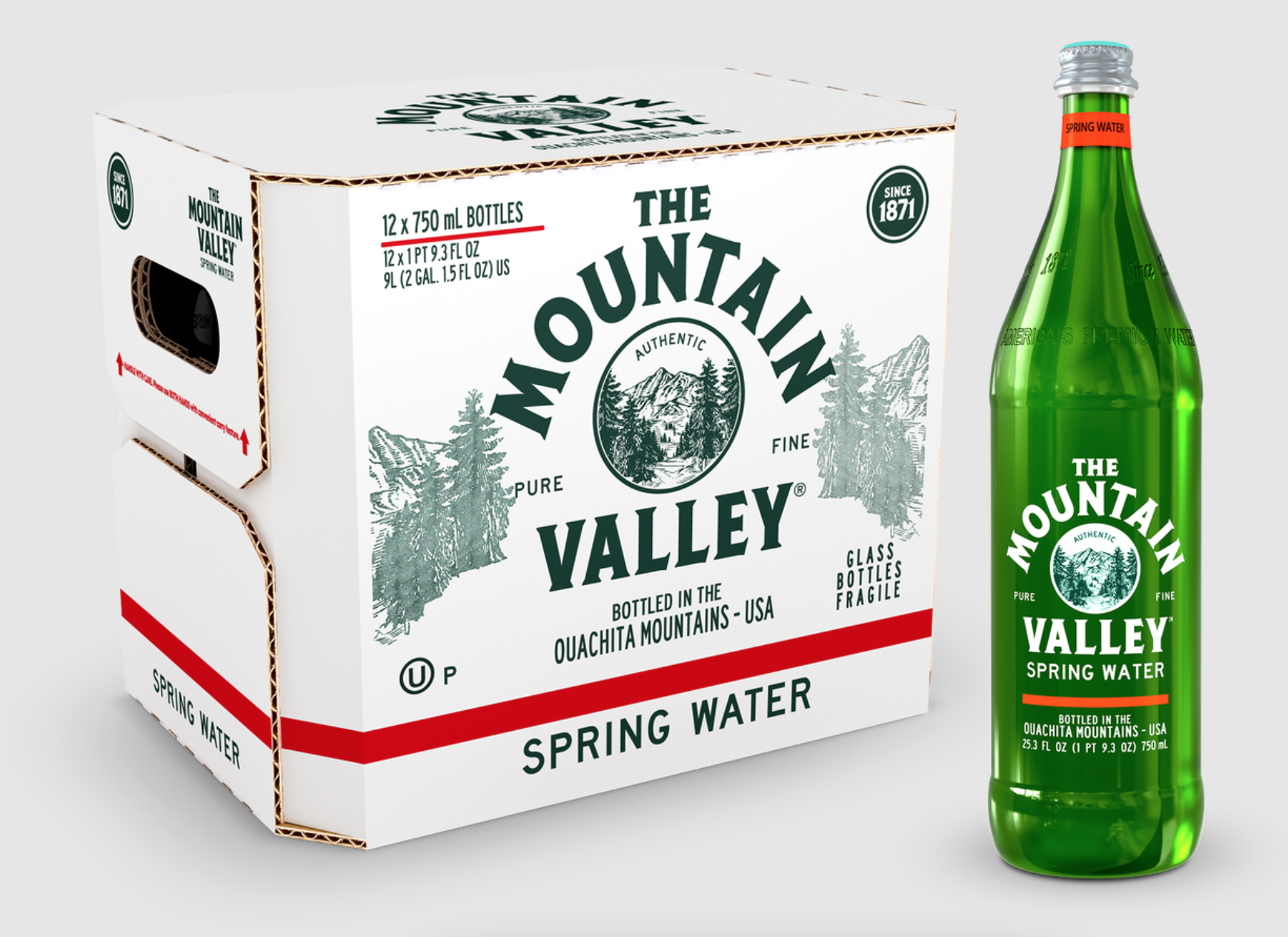
A recent class-action lawsuit against Mountain Valley Spring Water (Nadel v. Primo Water Corporation, et al.) alleges the presence of contaminants, including arsenic, uranium, and bromoform, despite what the complaint terms “promises of exceptional purity.”
Some bottled spring waters contain small amounts of arsenic and uranium because these minerals occur naturally in rocks and dissolve into groundwater. The minerals can also stem from industrial waste (e.g., pesticide leaching, nuclear contamination, etc.). Accordingly, the mere presence of these elements is not ipso facto an indication of inferior quality.
That said, I do find the presence of bromoform puzzling. Bromoform is a disinfection byproduct that forms mainly from chlorination, yet the company states it does not treat its water with chemicals. External contamination during collection or processing is thus a plausible explanation.
Mountain Valley has a longstanding reputation for being high quality, and I have recommended it on numerous occasions. However, given the egregious environmental pollution and concomitant soil degradation, I urge caution about using any spring water for habitual consumption.
Distilled water is the safest option for daily use, in my opinion. Distillation eliminates virtually all contaminants (with the exception of certain volatile organic compounds, which can be removed through subsequent activated carbon filtration), producing water purer than sophisticated reverse osmosis systems. Furthermore, basic domestic distillers are inexpensive and require no installation, and distilling one gallon typically costs less than $0.50. (Because distilled water is a highly active solvent, I recommend remineralizing it before drinking.)
Natural spring water is ideal for humans, provided it is free of toxicants. Unfortunately, humanity’s reckless actions have rendered pristine springs a rarity.